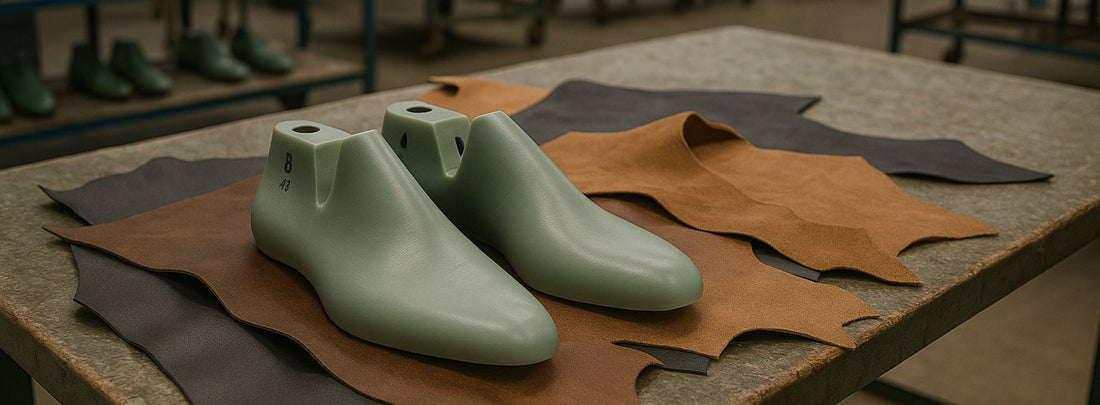
Understanding Shoe Lasts and Fitting
When it comes to finding the perfect fitting shoe, size and width are good places to start, but understanding different types of lasts can be just as important.
What is a shoe last and why does it matter?
A shoe last is a mould that defines a shoe's structure, including its length, the height of the instep, the angle of the toe box and heel, and the width. A shoe is a 3D object, so it's not as simple as just considering length and width.
Even within the same size, shoes made on different lasts can vary in:
- Toe box width
- Heel depth
- Arch curvature
- Volume and depth (important for orthotics)
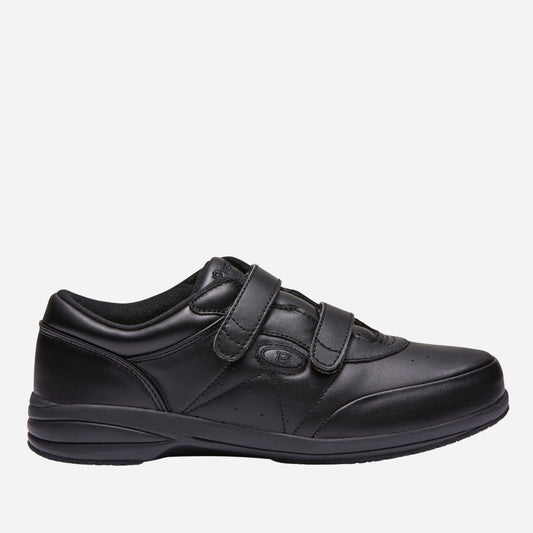
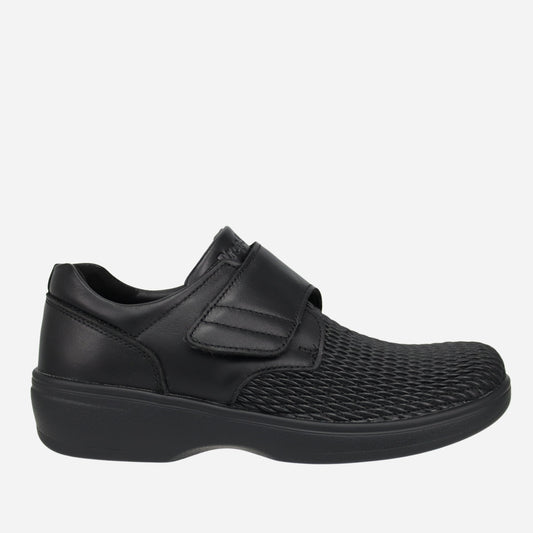
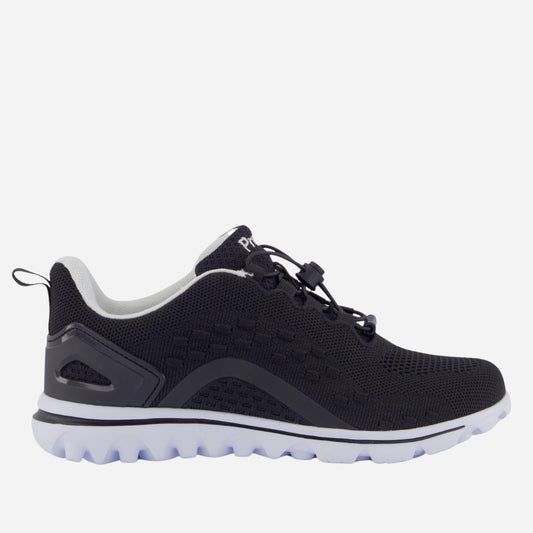
For example, our Ultima Strap shoe is built on a straight last with extra depth and width, making it ideal for those with flat feet or custom orthotics. By contrast, a curved-last athletic shoe might feel more snug and flexible for active use.
Why it matters in Australia
Australia has a diverse population with varied foot shapes and support needs. Footwear must accommodate this diversity, particularly for older Australians and those with chronic conditions.
The Australian Podiatry Association recommends that "Properly fitted shoes are essential. The older you get, the more you need shoes that hold your foot firmly in place and provide adequate support." The correctly lasted shoe can make the essential difference in how your shoe fits.
For people with specific conditions that affect foot health (such as flat feet, bunions, plantar fasciitis, diabetes, or swelling), choosing the right shoe that matches your foot shape is essential for proper fitting and support.
Types of shoe lasts and who they suit
There are three common shoe last types: Straight Last, Semi-Curved Last, and Curved Last. Within these types, you'll also find differences between dress shoe lasts and athletic shoe lasts.
1. Semi-Curved Last
- This is the most common type of last used in everyday casual shoes
- It's a good compromise and works best for average feet with mild arch support needs
- It features a slight curve that balances stability and flexibility, making it ideal for walking and casual wear

Semi-curved last showing the moderate curve that provides balanced support for most foot types - ideal for everyday wear.
2. Curved Lasts
- Curved lasts are commonly used in high-performance footwear for serious runners
- They follow the natural curve of the foot and suit people with high arches, encouraging supination (which can make movement more dynamic for runners)

Curved last with pronounced arch curve, designed for high-arched feet and athletic performance - commonly found in running shoes.
3. Straight Last
- These create broader, more stable shoes that improve motion control and complement orthotics. They're an excellent choice for people with flat feet, overpronation, or greater support needs
- They have minimal curve and a broad base to improve stability and promote even weight distribution

Straight last with minimal curve and broader base - perfect for flat feet, overpronation, and accommodating custom orthotics.
Casual vs Dress Shoe Lasts
The same last type can vary significantly between casual and dress shoes, affecting both comfort and style.

Casual shoe last (left) vs Dress shoe last (right) - Notice the difference in toe box shape, volume, and overall proportions that affect both fit and appearance.
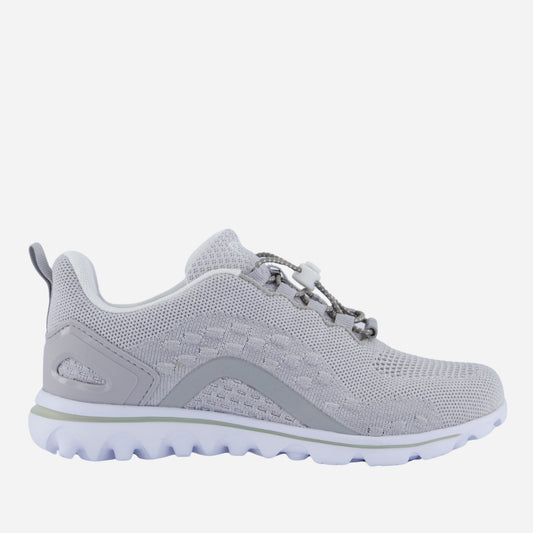
Many of our walking and everyday shoes from Propet use a Semi-Curved or Straight Last, which is ideal for Australians seeking comfort, support, and orthotic compatibility.
Tips to choose footwear that works for you
Take note of the shoe last – This is sometimes mentioned in the shoe's description or by the salesperson. You can also examine the outsole to get a good idea of which last has been used.
Pay attention to shoe width, not just length – Shoes that are too narrow can cause conditions like bunions to worsen or be uncomfortable for certain foot conditions. Shoes that are too wide might lack the support you need.
If you wear orthotics – Bring them with you to a fitting so you can ensure the shoes have enough depth to accommodate them comfortably.
Shop later in the day – Our feet swell throughout the day, so by making the shoe shop your last stop on a shopping trip, you can ensure you get the right fit.
Foot Condition Guide
| Foot Condition | Recommended Last Type | Key Fit Features |
|---|---|---|
| Flat Feet | Straight or Semi-Curved | Broad base, motion control support |
| Bunions | Straight with wide toe box | Reduces pressure on forefoot |
| High Arches | Semi-Curved or Curved | Better contouring, accommodates inserts |
| Overpronation | Straight | Stabilises inward rolling |
| Hammertoes | Straight with deep toe box | Extra room and toe freedom |
| Diabetic Feet | Straight, Extra-Depth | Reduces pressure, allows for swelling |
| Morton's Neuroma | Wide Forefoot Last | Minimises nerve compression |
Ready to find your perfect fit? Follow the links below to see our orthotic compatible shoes for women and men, and contact us if you have any questions.